SAVE FLORIDA
SHARK DIVING
Protect Sharks.
Protect Jobs.
Protect Florida.
Conservation • Research • Education • Sustainable Tourism •
The Florida Safe Seas Act (H.R. 3831) threatens one of Florida's most unique and sustainable marine industries.
The Florida Safe Seas Act (H.R. 3831) would prohibit attracting sharks with bait
or any other substance in Florida's federal waters for nearly every purpose except harvesting them.
If enacted, the bill would effectively end Florida's shark diving industry while limiting marine research, conservation, education, underwater photography, and one of the state's most successful forms of sustainable ecotourism.
This isn't just about shark diving.
It's about protecting Florida jobs, supporting marine science, preserving sustainable tourism, and ensuring decisions affecting Florida's waters are based on sound science.
Learn what's in the bill, who it affects, and why thousands
of Floridians believe lawmakers should take a closer look.
Protect Sharks.
Protect Jobs.
Protect Florida.
The "Florida Safe Seas Act" in 60 Seconds
What it does:
Expands Florida's existing prohibition on attracting sharks into federal waters, making it illegal to attract sharks for nearly every non-harvest purpose — including scientific research, education, photography, filming, and ecotourism.
Who it affects:
Florida's shark-diving operators, marine researchers, universities, educators, underwater photographers, filmmakers, conservation organizations, charter businesses, and thousands of tourism-dependent workers.
What's at stake:
Hundreds of millions of dollars in economic activity, thousands of Florida jobs, world-renowned shark research, marine conservation, and one of the world's premier shark ecotourism destinations.
What we are asking:
Pause H.R. 3831 and engage marine scientists, conservation organizations,dive operators, and coastal businesses to develop science-based policy that protects both public safety and Florida's ocean economy.
HOW IT WAS ORIGINALLY INTRODUCTED:
H.R. 3831 was introduced in the House as the
Florida Safe Seas Act, with public safety presented as its primary purpose. The bill was promoted as a response to concerns about shark encounters and was framed as legislation intended to reduce potential risks to people
in Florida's waters.
How It's Being Presented
Today:
As H.R. 3831 has advanced through Congress, its primary justification has shifted toward addressing shark depredation and supporting recreational fisheries. Although the public messaging has evolved, the bill's central prohibition on attracting sharks for non-harvest purposes has remained largely unchanged.
WHY THIS MATTERS:
H.R. 3831 has been justified using two primary arguments: public safety and shark depredation.
However, neither justification is currently supported by scientific evidence demonstrating that Florida's
shark-diving industry causes either problem.
Public policy should be based on evidence.
Before eliminating an established conservation and ecotourism industry, Congress should ensure the proposed solution is supported by sound science and input from all affected stakeholders.
Did you know?
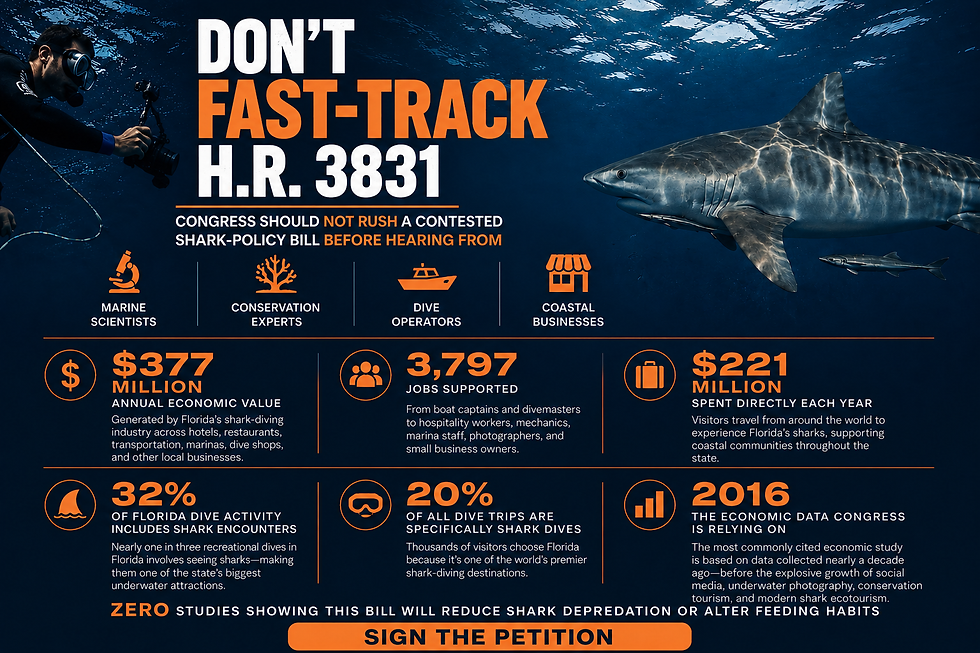
The key legal language in H.R. 3831 is nearly 10 years old
The same definition of "shark feeding" —
"feed or attract sharks for any purpose other
than to harvest sharks" — first appeared in the
Access for Sportfishing Act of 2016
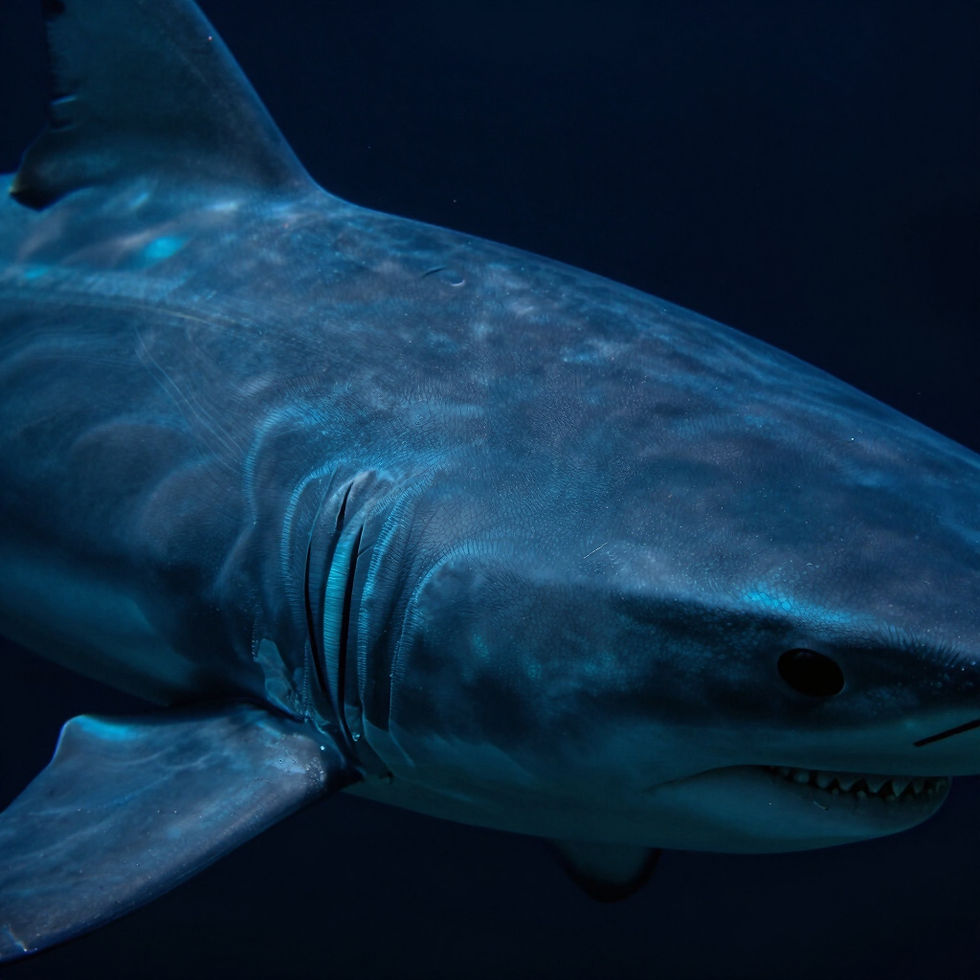
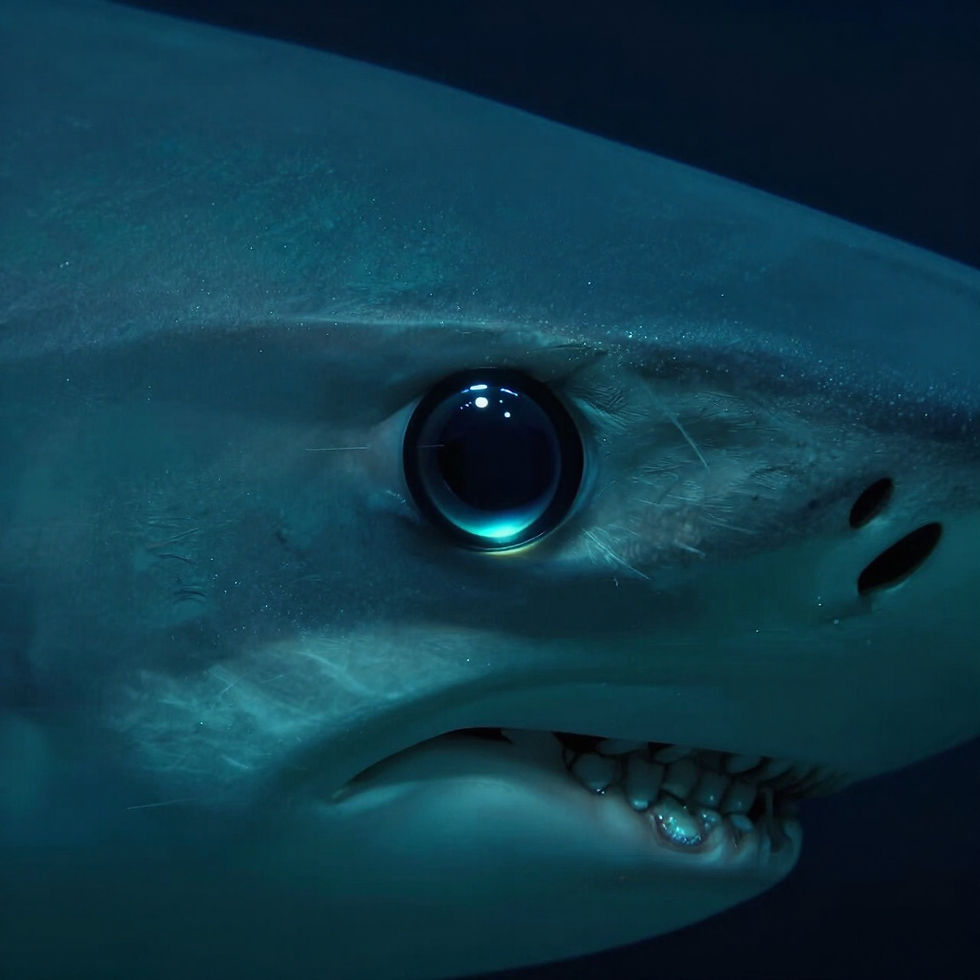
Bioluminescent Research
Investigating the genetic and physiological mechanisms behind shark bioluminescence and their ecological significance.
Scientific Integrity
Peer-reviewed research and marine biology education that supports Florida's dive industry and ecological health.

Marine Biology Studies
Documenting the impact of human activity on Florida's marine biodiversity and the importance of non-invasive observation.
Conservation Data
Peer-reviewed data on shark migration patterns and the critical role of dive tourism in marine conservation efforts.
Frequently Asked Questions
Why should the Florida Safe Seas Act be stopped?
+
As written, it would prohibit attracting sharks with food or any other substance in Florida's federal waters for nearly every purpose except harvesting them. This would effectively eliminate Florida's shark-diving industry while restricting marine research, conservation, education, underwater photography, and sustainable ecotourism.
Does shark diving help conservation?
+
Many scientists, conservation organizations, and ecotourism operators believe responsible shark ecotourism creates economic incentives to keep sharks alive. Shark-diving also supports public education, scientific research, citizen science, and increased awareness about shark conservation.
Would marine research be affected?
+
Many shark researchers use bait to safely attract sharks for observation, tagging, photography, health assessments, and behavioral studies. The bill could make these activities more difficult or impossible in Florida's federal waters.
What does the bill actually prohibit?
+
The legislation prohibits shark attraction, shark feeding, and commercial shark photography in federal waters. It also restricts certain forms of ecotourism that involve direct interaction with sharks.
Why is this bill considered unfair?
+
Supporters of the bill include beach safety advocates and local officials who prioritize public health and the protection of coastal communities from potential risks.
How can I read the legislation?
+
Our Evidence Center provides a searchable library of primary sources, including the full legislative text, scientific research, and public statements from stakeholders.
Primary Sources
A searchable library of primary research, economic reports, and legislative documents supporting the preservation of Florida's shark diving industry.
Search evidence...
Legislation
Primary Source

Florida Safe Seas Act
A comprehensive analysis of the legislative language and its potential impacts on Florida's marine environment.
Scientific Research
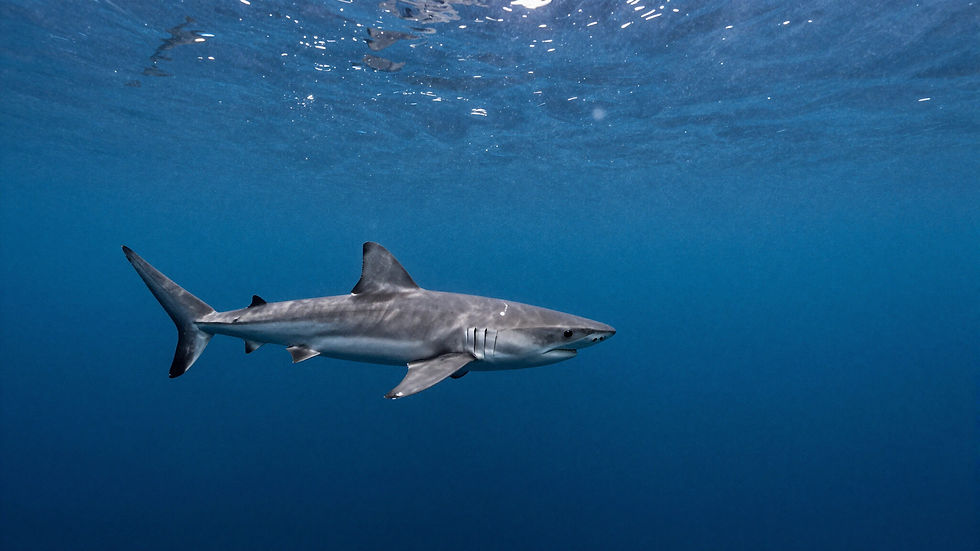
Marine Biology Studies
Peer-reviewed research on shark behavior and the critical role of diving in marine conservation and education.
Economic Reports

Economic Impact Report
Quantitative data on the economic contributions of shark diving to Florida's tourism and small business sectors.
Voices From Florida
First-person testimonies from scientists, veterans, and small business owners.

“The Florida Safe Seas Act threatens to dismantle decades of research and conservation efforts that protect our marine biodiversity.”
Dr. Sarah Jenkins, Marine Biologist

“As a veteran, I understand the importance of safety, but this legislation ignores the vital economic and educational benefits of shark diving.”
James Rivera, Veteran & Educator

“Our dive shops support hundreds of local jobs. This bill would end a critical source of tourism and economic growth for our entire community.”
Elena Chen, Dive Operator